

Table of Contents
- Why Idli Counts as a Gut-Friendly Food
- Is Idli the Healthiest Indian Breakfast Option?
- What Makes Idli a Gut-Friendly Food: The Fermentation Explained
- Idli and Weight Management
- Who Benefits Most from Eating Idli Regularly?
- Getting the Most Out of Idli: A Quick Checklist
- Paakashala and Freshly Steamed Idli
- Conclusion
- FAQs
Why Idli Counts as a Gut-Friendly Food
Is Idli the Healthiest Indian Breakfast Option?
People often ask whether idli deserves its reputation as the healthiest Indian breakfast around. Here’s what the basic profile looks like:
- Steamed, with very little added fat
- A mix of carbohydrates and plant-based protein from the urad dal
- Pairs naturally with sambar, adding vegetables and further protein to the meal
- Built from a small handful of everyday ingredients most kitchens already keep on hand
- Settles easily, making it a genuine nutritional breakfast option rather than an occasional treat
What Makes Idli a Gut-Friendly Food: The Fermentation Explained
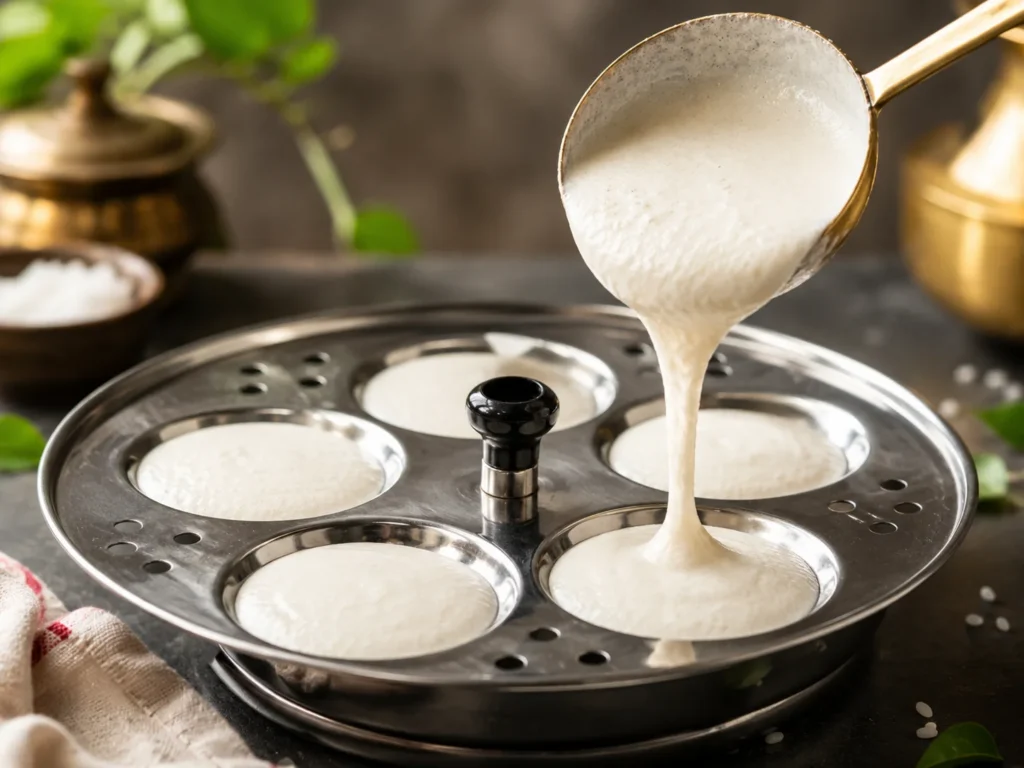
The fermentation process is where much of the gut-friendly food reputation actually comes from:
- Naturally occurring microorganisms break down starches and proteins in the batter overnight.
- This early breakdown means the body has less heavy lifting to do once the idli is eaten.
- Reduced bloating and a lighter feeling after meals are common results.
- Some beneficial microorganisms survive the steaming process too, adding a small probiotic element.
Idli and Weight Management
- Steamed and low in fat, keeping calorie counts modest.
- A reasonable amount of protein and fibre from the lentils in the batter.
- Paired with a vegetable-based sambar, it keeps people full for a good stretch of the morning.
- Supports steady, sustainable weight management built on genuine portion awareness.
Who Benefits Most from Eating Idli Regularly?
Idli suits a surprisingly wide range of people, which is part of why it has stayed a household staple for so long:
- People recovering from illness, since it requires very little digestive effort.
- Older adults managing sensitive digestion, as a safe and reliable option on difficult days.
- Growing children, thanks to its soft texture and mild flavour.
Getting the Most Out of Idli: A Quick Checklist
Getting the full benefit of idli as a nutritional breakfast comes down to a few small, consistent choices:
- Pair it with a vegetable-rich sambar for extra fibre and nutrients.
- Choose chutneys made from fresh coconut or tomato over anything deep-fried.
- Eat idli soon after steaming, before it sits and cools for too long.
- Keep portions sensible.
None of these choices requires much planning, which is exactly why idli has remained part of daily breakfast routines across so many households.
Paakashala and Freshly Steamed Idli
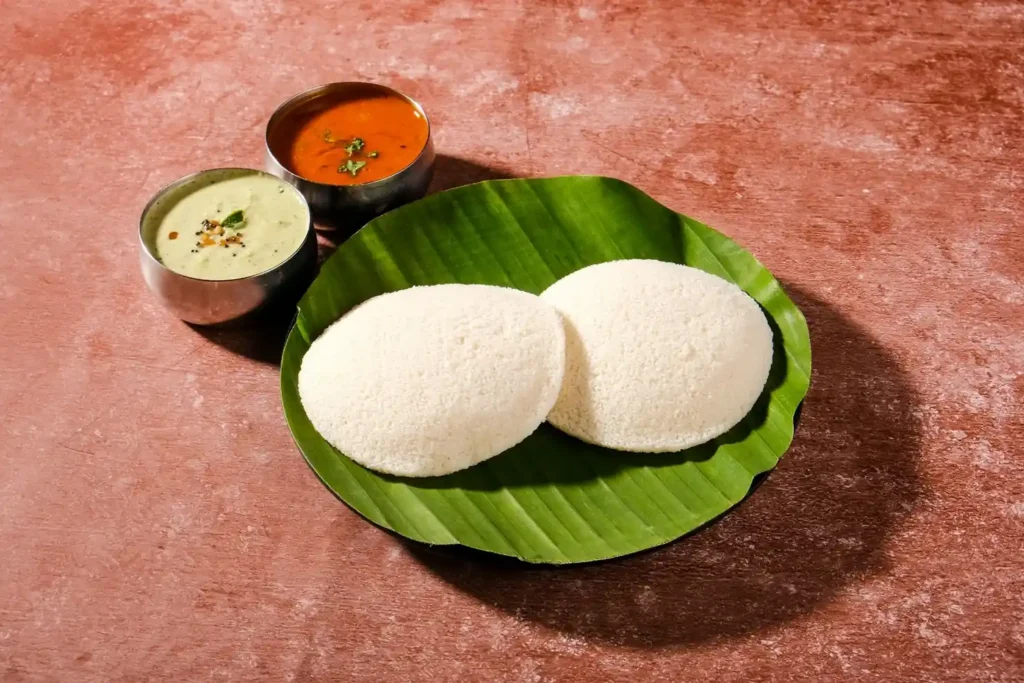
For anyone wanting to make idli a regular part of their routine without the daily effort of soaking and grinding batter at home, Paakashala’s outlets across Bangalore and Mysore serve freshly steamed idli with sambar and chutney made each day. The focus stays firmly on traditional preparation methods, which keep the dish’s gut-friendly qualities intact and free of shortcuts or pre-made batter from elsewhere.
Conclusion
Idli earns its reputation as a gut-friendly food through a genuinely simple combination of fermentation and steaming, built around ingredients that most kitchens already have. It supports digestion, fits easily into a nutritional breakfast routine, and works well for people managing weight or recovering from illness alike. That combination of simplicity and function explains why idli remains a fixture on South Indian breakfast tables to this day.
FAQs
1. Why is idli considered a gut-friendly food?
Idli is made from fermented rice and urad dal batter, which improves digestibility and supports a healthy gut microbiome. It is also steamed rather than fried, making it light on the stomach.
2. Is idli good for digestion?
Yes. Idli is easy to digest because fermentation breaks down complex carbohydrates and proteins, reducing the digestive effort required by the body.
3. Does fermented idli batter contain probiotics?
During fermentation, beneficial microorganisms develop in the batter. While steaming reduces the number of live probiotics, the fermentation process still improves nutrient availability and digestibility.
4. Can people with sensitive stomachs eat idli regularly?
Yes. Idli is generally gentle on the digestive system and is often recommended for people recovering from illness or experiencing mild digestive discomfort. Individuals with specific medical conditions should consult a healthcare professional.
5. Is idli good for gut health during illness?
Yes. Since idli is soft, low in fat, and easy to digest, it is commonly included in diets during recovery from digestive issues or fever.
