

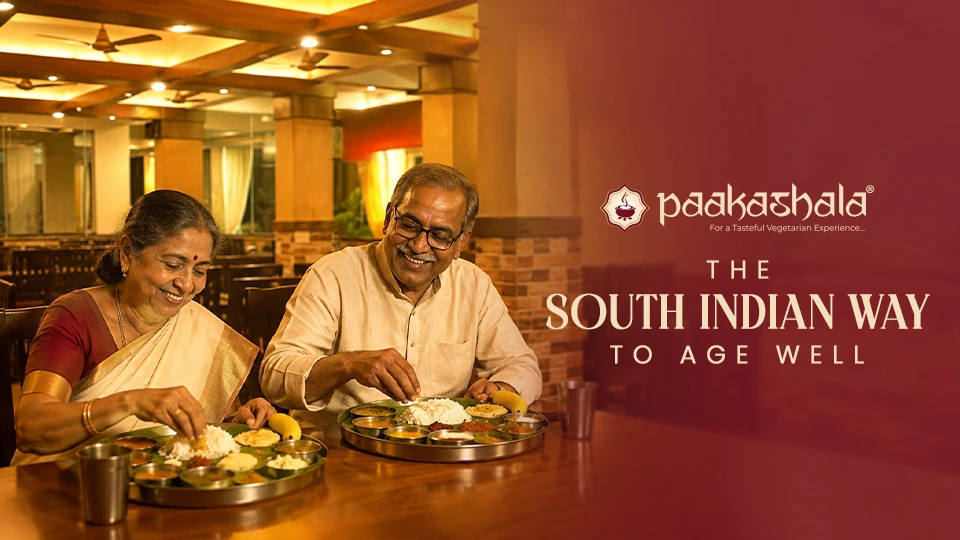
This blog covers why South Indian cuisine sits so comfortably within a healthy ageing routine. It looks at whether idli is healthy or not, walks through the wider idli benefits for digestion, touches on dosa health benefit angles and explains how lentils and vegetables support the body as it gets older.
Table of Contents
- Why South Indian Food Fits Naturally into Healthy Ageing
- Idli Nutrition at a Glance
- Idli Benefits for an Ageing Body: The Highlights
- Dosa Health Benefit: What the Fermentation Actually Does
- Lentils and Vegetables, Meal by Meal
- A Quick Checklist for Healthy Ageing
- Paakashala and Wholesome Vegetarian Dining
- Conclusion
- FAQs
Ageing well has less to do with dramatic diet overhauls and more to do with what ends up on your plate day after day. South Indian food, as it happens, was built around exactly that kind of everyday consistency. Before we get into the specifics, it helps to understand why this particular style of cooking keeps showing up in conversations about long-term health.
Why South Indian Food Fits Naturally into Healthy Ageing
Most South Indian meals are built around ingredients that have quietly supported households for generations, particularly rice and lentils, alongside a rotating mix of seasonal vegetables. Turmeric and curry leaves carry properties that nutritionists often point to when discussing inflammation and digestion. The cooking methods lean heavily towards steaming and slow simmering, which keeps meals gentle on the stomach and easy to digest. For anyone thinking seriously about healthy ageing, this combination of simple ingredients and gentle preparation plays a genuinely significant role in shaping how the body copes with age. It is the pattern of eating, repeated over years and decades, that shapes how the body holds up over time.
Idli Nutrition at a Glance
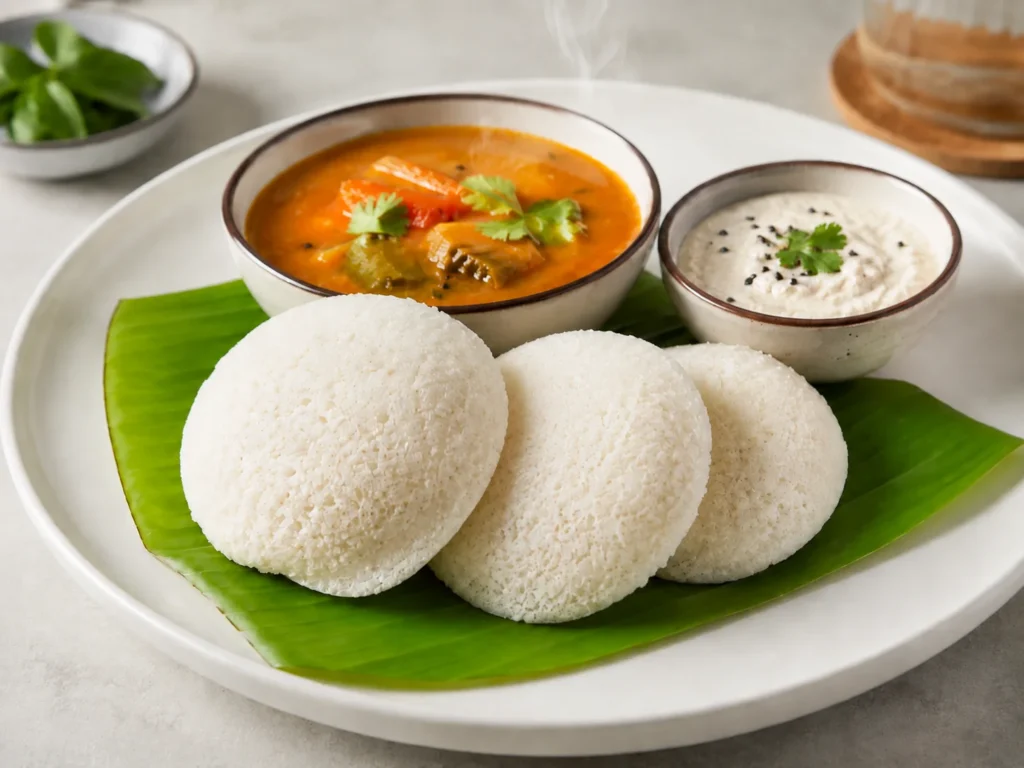
The question of whether idli is healthy or not comes up often, so here’s what actual nutrition looks like:
- Steamed, not fried, which keeps oil content naturally low
- Made from fermented batter of rice and urad dal
- Pairs naturally with sambar, adding lentils and vegetables to the same meal
- A sensible option for anyone managing blood pressure or watching weight in later years
Idli Benefits for an Ageing Body: The Highlights
Beyond the basic nutrition profile, the idli benefits extend into areas that matter specifically as people grow older:
- Fermentation improves how easily the body absorbs certain nutrients in the batter.
- The soft, steamed texture works well for people recovering from illness or managing a reduced appetite.
- Regular inclusion in a weekly meal plan supports steady digestion without asking much of the body.
- Combined with sambar, it rounds out protein and fibre intake in a single sitting.
This is precisely the kind of low-effort nutrition that healthy ageing depends on.
Dosa Health Benefit: What the Fermentation Actually Does
Dosa comes from the same fermented batter family as idli, and the dosa health benefit largely traces back to that same fermentation process. Fermentation encourages beneficial microorganisms to develop within the batter, and a good portion of that improved digestibility carries through even after the batter hits a hot tawa. A thin dosa made with minimal oil stays a reasonably light meal, particularly when paired with a vegetable-based chutney or a bowl of sambar. For older adults, this translates into a breakfast or light dinner option that provides carbohydrates and a modest amount of protein without sitting heavily on the stomach. A plain or vegetable dosa, without a thick stuffing or extra ghee, keeps closest to this lighter, original form that makes it suitable for daily eating.
Lentils and Vegetables, Meal by Meal
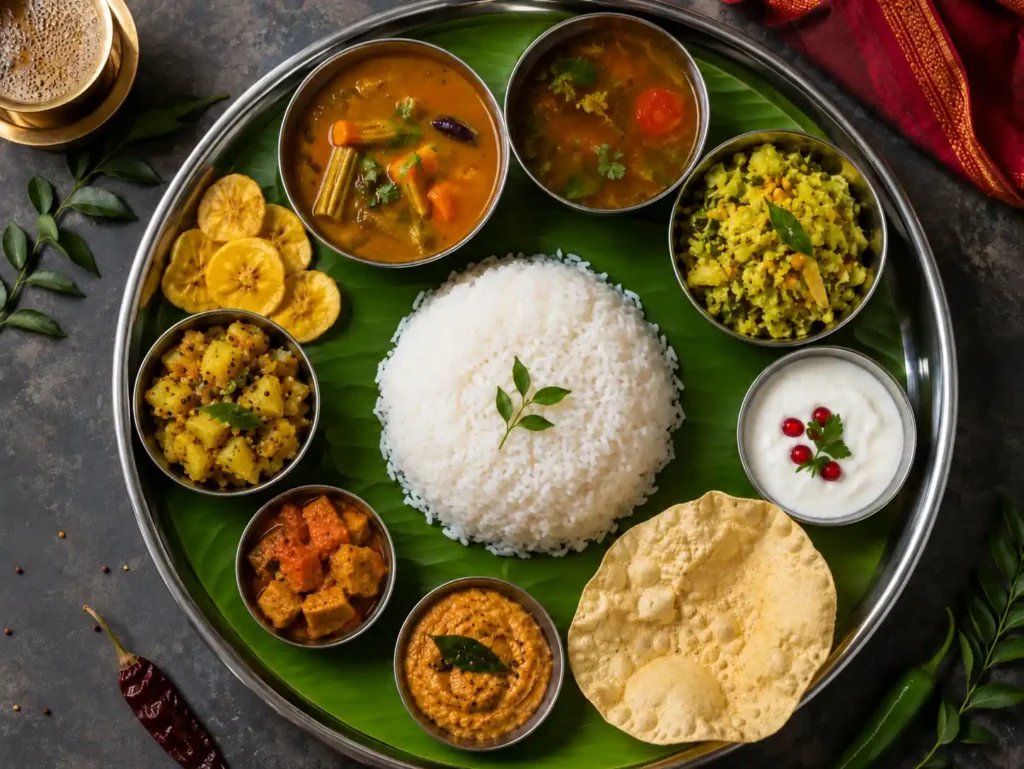
A typical South Indian thali builds nutrition into the meal without anyone needing to plan for it:
- Sambar brings lentils and seasonal vegetables together in one bowl
- Rasam adds a light, easily digestible source of fluids and spice
- Poriyal keeps vegetables simple and lightly cooked, preserving nutrient value
- Curd rice supports digestion and rounds off a meal gently
Lentils bring plant-based protein and fibre to the plate, supporting muscle maintenance and steady digestion as the body ages. The variety used across a typical week means meals rarely repeat the same nutritional profile twice over, giving ageing bodies a genuinely wide spread of vitamins and minerals with very little deliberate effort.
A Quick Checklist for Healthy Ageing
None of this calls for an overhaul of how someone eats day to day. A few small, consistent habits go a long way:
- Favour steamed dishes on most days
- Keep rice portions moderate rather than generous
- Let sambar or rasam do the work of adding vegetables to a plate
- Drink enough water alongside meals
- Eat at consistent times each day
Over months and years, these small habits tend to add up to meaningfully better outcomes for anyone focused on healthy ageing.
Paakashala and Wholesome Vegetarian Dining
For families looking to build these habits without cooking every single meal at home, Paakashala’s restaurants across Bangalore and Mysore serve traditional South Indian vegetarian food prepared using time-tested methods passed down through generations. Steamed idlis and thalis built around seasonal vegetables reflect the same principles that support healthy ageing, and sambar made fresh through the day rounds out the plate with the lentils and vegetables that ageing bodies benefit from most. The setting makes it simple for families to build these dishes into a normal week, without treating them as an occasional indulgence.
Conclusion
Healthy ageing rarely comes down to one dish or one standout ingredient. It comes from a consistent pattern of eating that leans on steamed and fermented food, built largely around vegetables, over time. South Indian cuisine happens to be built around exactly that pattern, which explains why idli and sambar keep showing up in conversations about long-term wellbeing among people who study ageing and nutrition closely.
FAQs
1. How does South Indian cuisine support healthy ageing?
South Indian cuisine includes whole grains, lentils, vegetables, fermented foods, and healthy spices that provide nutrients supporting heart health, digestion, immunity, and overall wellness as people age.
2. What makes South Indian food healthy for seniors?
Many traditional dishes are steamed or lightly cooked, making them easier to digest while providing fibre, protein, vitamins, and minerals important for older adults.
3. Which South Indian dishes are best for older adults?
Idli, vegetable sambar, vegetable upma, pongal, ragi dosa, curd rice, and vegetable-rich stews are nutritious and generally easy to digest.
4. Is South Indian food good for heart health?
Yes. Meals rich in vegetables, lentils, whole grains, and moderate amounts of healthy fats may support heart health when prepared with limited salt and oil.
5. Can South Indian cuisine improve digestive health in seniors?
Yes. Fermented foods like idli and dosa, along with fibre-rich vegetables and lentils, can support digestive comfort and gut health.
